Artificial Intelligence and Fashion: Tool or Creative Partner?
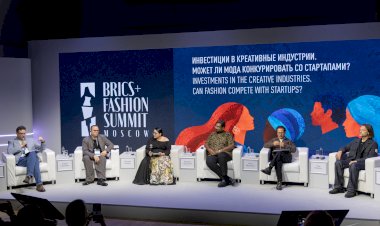
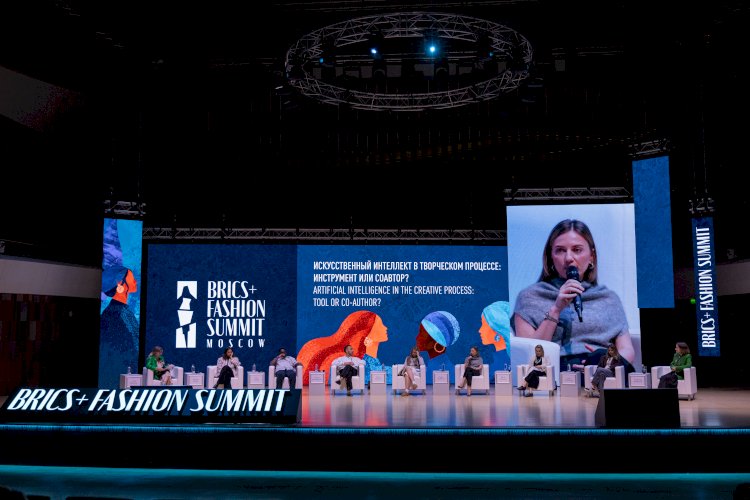
As artificial intelligence continues to reshape industries worldwide, the fashion sector is exploring how technology can influence creativity, production, marketing and business development. At the 2026 BRICS+ Fashion Summit in Moscow, discussions surrounding artificial intelligence highlighted both its opportunities and challenges. For emerging fashion economies such as Namibia, the question is whether AI can become a valuable creative partner without compromising originality, craftsmanship and cultural identity.
 Vaultz.connect
By Ramos
As artificial intelligence continues to reshape industries worldwide, the fashion sector is exploring how technology can influence creativity, production, marketing and business development. At the 2026 BRICS+ Fashion Summit in Moscow, discussions surrounding artificial intelligence highlighted both its opportunities and challenges. For emerging fashion economies such as Namibia, the question is whether AI can become a valuable creative partner without compromising originality, craftsmanship and cultural identity.
A New Era of Fashion and Technology
Artificial intelligence is increasingly becoming part of the global fashion conversation, challenging traditional approaches to design, production and consumer engagement.
At the 2026 BRICS+ Fashion Summit in Moscow, technology emerged as an important subject within discussions about the industry’s future.
Fashion businesses are exploring how AI can support everything from trend forecasting and customer analysis to marketing campaigns, product development and inventory management.
For designers, however, the debate extends beyond technological efficiency.
Can artificial intelligence genuinely contribute to creativity, or should it remain a tool that supports human imagination?
The answer may lie in understanding how technology can complement rather than replace creative expertise.
Beyond Design: The Business Applications of AI
Although AI-generated fashion illustrations often attract attention, some of the technology’s greatest opportunities lie in everyday business operations.
Small fashion enterprises frequently operate with limited teams, requiring designers to manage production, customer relationships, marketing and administration simultaneously.
AI-powered tools can potentially assist with writing product descriptions, developing marketing content, organising customer enquiries, analysing sales patterns and planning promotional campaigns.
For businesses with limited resources, these applications could reduce administrative workloads and create more time for creative development.
However, the reliability of AI-generated information remains an important consideration.
Incorrect product descriptions, inaccurate sizing recommendations or misleading marketing claims can damage consumer confidence.
Human oversight is therefore essential when introducing technology into business operations.
Can Artificial Intelligence Replace Creativity?
Fashion is deeply connected to human expression, cultural identity and personal experience.
While artificial intelligence can generate design concepts, experiment with colour combinations and suggest alternative silhouettes, translating these ideas into wearable garments requires technical expertise.
Fabric selection, garment construction, fitting, movement and craftsmanship remain central to successful fashion design.
AI may provide creative inspiration, but it cannot independently replace the judgement, cultural understanding and practical skills of an experienced designer.
For African fashion, where traditional craftsmanship and cultural narratives contribute significantly to brand identity, this distinction is particularly important.
Technology should strengthen authentic storytelling rather than reduce cultural heritage to digitally generated aesthetics.
The Questions of Ownership and Originality
As AI becomes more accessible, questions surrounding intellectual property, originality and ethical responsibility are becoming increasingly relevant.
Designers must consider how AI systems generate content, whether existing creative works have influenced their outputs and how their own intellectual property is protected.
There are also concerns regarding the use of traditional African patterns, cultural symbols and artistic expressions without appropriate recognition.
Confidential customer information, proprietary designs and business data require protection when using unfamiliar digital platforms.
Responsible AI adoption therefore requires more than technical knowledge. It demands ethical awareness and sound professional judgement.
What AI Means for Namibia’s Fashion Industry
For Namibia, artificial intelligence presents an opportunity to strengthen the commercial capabilities of emerging fashion businesses.
Many local designers operate independently, with limited access to specialised marketing teams, business analysts and advanced production systems.
Affordable AI applications could help bridge some of these gaps.
Fashion institutions, industry organisations and creative platforms could introduce practical training programmes focused on digital marketing, business administration, product development and responsible AI use.
Rather than investing immediately in expensive technology, designers could begin with small experiments that demonstrate measurable benefits.
A business might test whether AI-assisted marketing improves customer engagement or whether digital inventory tools reduce operational inefficiencies.
Such initiatives would allow entrepreneurs to adopt technology according to their actual business needs.
Finding the Balance Between Technology and Human Talent
The discussions around artificial intelligence at the BRICS+ Fashion Summit highlighted an important reality: technological advancement must be accompanied by human expertise.
For emerging fashion markets, successful adoption will depend on accessibility, practical training and a clear understanding of where technology adds value.
AI should not become a substitute for originality, craftsmanship or strategic thinking.
Instead, it can provide designers and entrepreneurs with additional capabilities to develop their businesses, understand customers and compete in increasingly digital markets.
The future of fashion may be shaped by artificial intelligence, but its identity will continue to depend on human creativity. For Namibia, the opportunity is to embrace innovation while protecting the craftsmanship, originality and cultural authenticity that make its fashion industry distinctive.