BRICS+ Fashion Summit Concludes in Moscow, Strengthening International Fashion Cooperation
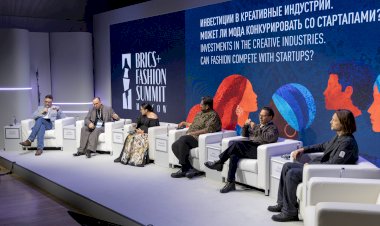
The BRICS+ Fashion Summit – the Fashion Business Forum of Fast-Growing Economies and an accredited BRICS event – has concluded in Moscow. Hundreds of speakers from more than 60 countries took part in its sessions. Over several days of intensive meetings and events, fashion professionals from across the globe gathered in Moscow to share their expertise. Industry leaders from Africa, Asia, Latin America, the Middle East, and Europe – heads of national fashion weeks and industry associations, representatives of government organizations, manufacturers, retailers, investors, and designers – came together at the BRICS+ Fashion Summit to shape new priorities and strategic solutions for a fashion industry undergoing structural transformation.
 Vaultz.connect
By Staff Reporter
The BRICS+ Fashion Summit – the Fashion Business Forum of Fast-Growing Economies and an accredited BRICS event – has concluded in Moscow. Hundreds of speakers from more than 60 countries took part in its sessions. Over several days of intensive meetings and events, fashion professionals from across the globe gathered in Moscow to share their expertise. Industry leaders from Africa, Asia, Latin America, the Middle East, and Europe – heads of national fashion weeks and industry associations, representatives of government organizations, manufacturers, retailers, investors, and designers – came together at the BRICS+ Fashion Summit to shape new priorities and strategic solutions for a fashion industry undergoing structural transformation.
Participants at the BRICS+ Fashion Summit discussed how production and logistics chains are changing, how national heritage is becoming a competitive advantage for brands, where artificial intelligence can help designers and retailers, what the new generation of consumers expects from fashion, and how emerging brands can grow in international markets. Africa is one of the key raw material and manufacturing hubs in the global fashion industry, while a new generation of local brands is actively seeking international partners and sales channels. Experts from across the continent took part in discussions on the economic impact of fashion weeks – from emerging designers’ first contracts to new jobs – as well as on the soft power of brands and investment in the community. For Namibia, the Summit opened up additional opportunities to find partners, including across export chains in fast-growing economies – from textile manufacturing to designer retail.
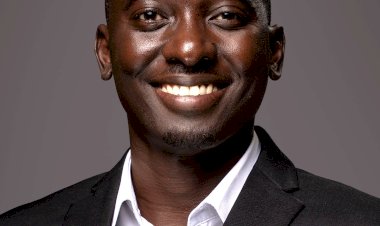
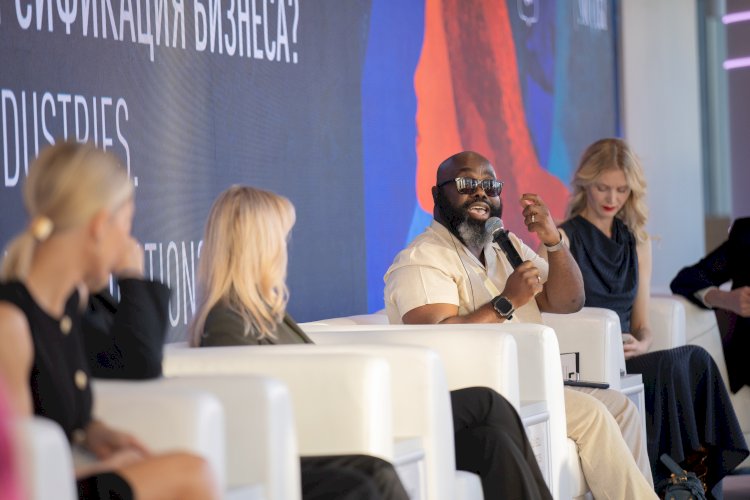
Namibia was represented at the Summit by Kalistu Mukoroli, Director of MTC Windhoek Fashion Week, who took part in a discussion focused on brand expansion into related industries. The session explored the industry-wide evolution from "product brands" to comprehensive "lifestyle brands" through expansion into interiors, beauty, and creative fields like film and music. Experts discussed how fashion players can successfully diversify their businesses and strengthen emotional connections with audiences without diluting their core identity.
“Fashion brands today have the opportunity to evolve beyond clothing and become part of a broader lifestyle experience. However, expanding into related industries should be more than a marketing exercise. It must be a strategic business decision that creates new revenue streams, strengthens brand identity and delivers long-term commercial value. For emerging markets such as Namibia, diversification presents opportunities for designers to explore sectors such as beauty, interiors, entertainment and other creative industries through strategic partnerships. The key is to ensure that expansion remains authentic to the brand while building sustainable businesses that can compete across different markets,” Mukoroli notes.
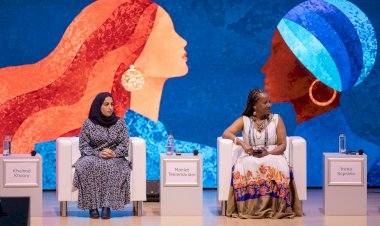
The region was also represented at the Summit by Nana Addo Tamakloe, CEO and founder of Accra Fashion Week (Ghana); Stephen Manzini, CEO of Soweto Fashion Week (South Africa); Mahlet Teklemariam, Founder of Hub of Africa Fashion Week (Ethiopia); and others.
During the Summit, another major event on the international fashion calendar took place in Moscow: Moscow Fashion Week, the largest event showcasing emerging fashion, brought together more than 350 designers from different countries. Limak by Kamil from Sri Lanka presented a collection there.
The BRICS+ Fashion Summit further established Moscow as a hub for international fashion cooperation, where business connections between countries and companies develop into partnerships and joint projects. “The Summit allows participants to learn directly from other emerging markets, identify common challenges and explore collaborations that may lead to designer exchanges, business partnerships, new markets and international visibility,” Kalistu Mukoroli emphasizes.