
Can BRICS+ Fashion Summit Expand Markets for African Fashion?
As African fashion brands seek opportunities beyond their domestic markets, international platforms such as the BRICS+ Fashion Summit are opening conversations around trade, collaboration and global market access. However, transforming international visibility into sustainable commercial success requires more than showcasing creativity. For emerging fashion economies like Namibia, the real opportunity lies in building the capacity to compete, deliver and establish lasting relationships across borders.
 Vaultz.connect
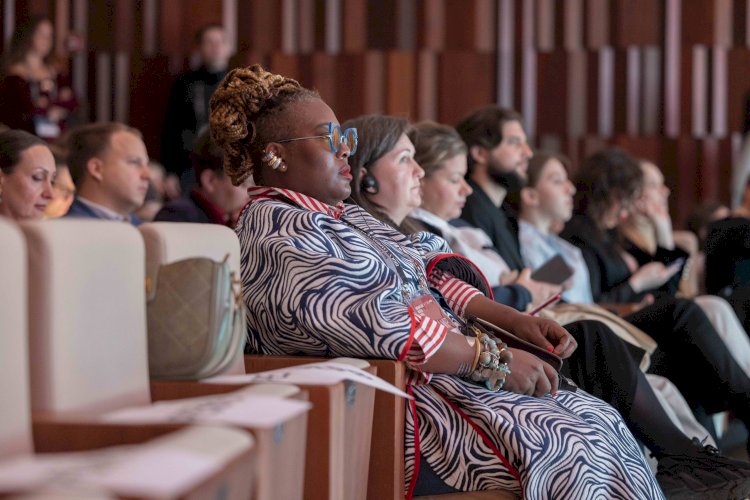
As African fashion brands seek opportunities beyond their domestic markets, international platforms such as the BRICS+ Fashion Summit are opening conversations around trade, collaboration and global market access. However, transforming international visibility into sustainable commercial success requires more than showcasing creativity. For emerging fashion economies like Namibia, the real opportunity lies in building the capacity to compete, deliver and establish lasting relationships across borders.
A New Global Conversation for African Fashion
The global fashion industry is undergoing a transformation as emerging markets increasingly challenge the traditional dominance of established fashion capitals.
At the 2026 BRICS+ Fashion Summit in Moscow, international participation highlighted the growing potential for collaboration between fashion industries across Africa, Asia, Latin America and other markets.
For African designers, such platforms offer opportunities to connect with international buyers, industry organisations, manufacturers and potential commercial partners.
Importantly, they also challenge the perception that global success must follow traditional routes through Paris, Milan, London or New York.
Emerging markets present alternative opportunities for African brands to establish meaningful commercial relationships while introducing their distinctive design identities to new audiences.
Beyond Visibility: Understanding Export Readiness
International recognition is an important achievement, but attracting attention does not automatically translate into successful exports.
Entering foreign markets requires a clear understanding of international trade regulations, customs procedures, shipping costs, taxation, payment systems and consumer expectations.
Designers must also consider product sizing, quality standards, packaging, delivery schedules and their ability to fulfil larger orders.
A collection that generates significant interest during an international fashion event may still face commercial challenges if the business lacks the infrastructure to supply customers consistently.
Export readiness therefore requires investment in operational systems, financial planning and reliable production capacity.
For smaller African fashion businesses, these considerations can determine whether international expansion creates sustainable income or unnecessary financial pressure.
Turning International Connections into Business
One of the greatest advantages of platforms such as the BRICS+ Fashion Summit is access to professional networks.
Fashion buyers, distributors, retailers and industry representatives can provide valuable insights into unfamiliar markets.
However, networking is only the beginning.
Designers seeking commercial partnerships must present professional product catalogues, clear wholesale pricing, reliable delivery timelines and credible business proposals.
International buyers require confidence that suppliers can maintain quality and meet contractual commitments.
A promising introduction made during a summit must therefore be followed by structured communication, product development and realistic commercial negotiations.
The most valuable connection is ultimately one that develops into a sustainable business relationship.
Regional Markets as a Foundation for Global Expansion
For Namibian designers, opportunities within Southern Africa could provide a practical foundation for broader international expansion.
Markets such as South Africa, Botswana and Zambia offer potential entry points for testing consumer demand, refining distribution systems and establishing retail partnerships.
Regional expansion allows brands to gain experience in cross-border trade before pursuing more distant markets.
This approach can also strengthen production planning, financial management and customer relationships.
Importantly, international growth does not always require immediate entry into major global retail networks. Smaller, profitable partnerships can provide valuable commercial experience.
Building Bridges Through Fashion Diplomacy
The BRICS+ platform also demonstrates the importance of cultural and professional exchange in developing international fashion relationships.
Designer exchange programmes, industry partnerships and collaborative collections can introduce emerging brands to new markets while encouraging knowledge-sharing.
For Namibia, discussions between MTC Windhoek Fashion Week and Moscow Fashion Week concerning potential designer exchanges represent one avenue through which international relationships could develop.
Such collaborations could provide participating designers with exposure to international industry practices, professional networks and new commercial environments.
However, their long-term value will depend on whether exposure eventually translates into skills development, stronger businesses and market opportunities.
Defining Success Beyond International Recognition
The success of African fashion's international expansion should ultimately be measured through commercial outcomes.
Repeat orders, sustainable export relationships, improved production capacity and profitable international sales provide stronger evidence of progress than publicity alone.
For Namibia, collaboration between designers, fashion organisations, government institutions and commercial partners will be essential in addressing barriers to international trade.
The 2026 BRICS+ Fashion Summit demonstrated that emerging fashion markets are increasingly becoming part of the global conversation about production, investment and distribution.
The challenge now is ensuring that African designers have the resources and business capabilities needed to participate meaningfully in these opportunities.
African fashion has the creativity and cultural identity to attract global interest. Its next chapter will depend on transforming that interest into accessible markets, reliable commercial partnerships and sustainable businesses that can compete beyond their borders.