Fashion Is Business: Africa’s Creative Economy Deserves Serious Policy
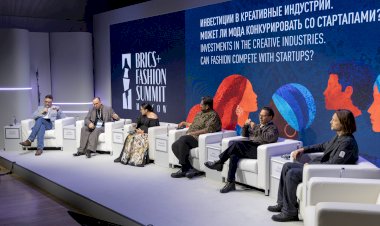
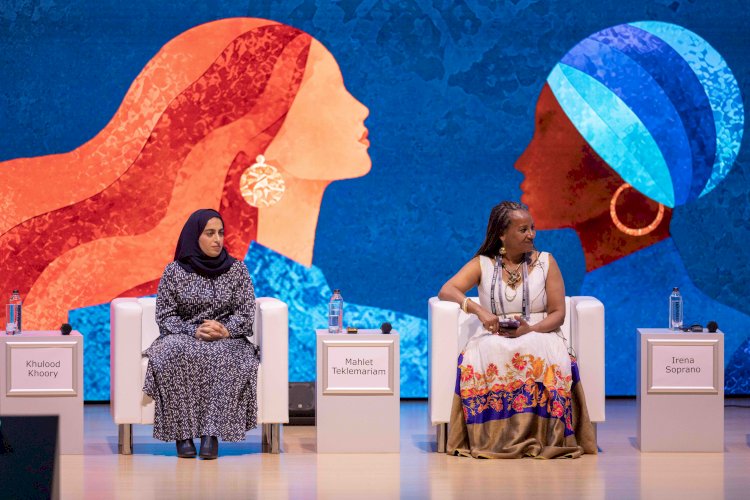
Africa's fashion industry is rich in creativity, cultural identity and entrepreneurial ambition. Yet its potential as a driver of employment, manufacturing and economic growth remains underdeveloped. Conversations at the 2026 BRICS+ Fashion Summit in Moscow reinforced the need to recognise fashion as a serious economic sector, supported by policies that enable creative businesses to grow, compete and contribute meaningfully to national economies.
 Vaultz.connect
By Ramos
Africa's fashion industry is rich in creativity, cultural identity and entrepreneurial ambition. Yet its potential as a driver of employment, manufacturing and economic growth remains underdeveloped. Conversations at the 2026 BRICS+ Fashion Summit in Moscow reinforced the need to recognise fashion as a serious economic sector, supported by policies that enable creative businesses to grow, compete and contribute meaningfully to national economies.
Beyond Creativity: Fashion as an Economic Driver
Fashion is often celebrated through runway shows, designer collections and cultural expression. However, behind every garment lies an extensive economic network involving textile suppliers, manufacturers, pattern makers, tailors, photographers, stylists, retailers, marketers and logistics providers.
Each stage contributes to employment, entrepreneurship and commercial activity.
At the 2026 BRICS+ Fashion Summit in Moscow, discussions around investment, manufacturing, technology and industry development highlighted the importance of examining fashion beyond its creative appeal.
For African countries, including Namibia, this perspective is particularly relevant.
Recognising fashion as an economic industry means understanding its potential to stimulate small-business development, create employment opportunities and support industrial diversification.
The Missing Link: Infrastructure and Production
One of the greatest challenges facing emerging fashion industries is the gap between creative talent and production capacity.
Across Africa, many designers possess strong creative abilities but struggle to access affordable manufacturing facilities, specialised equipment, reliable textile suppliers and sufficient working capital.
Training alone cannot overcome these structural barriers.
Without adequate infrastructure, designers often remain confined to small-scale production, custom orders and irregular income.
Investment in shared manufacturing facilities, textile development, technical training and accessible financing could help emerging brands transition into sustainable enterprises.
For Namibia, establishing collaborative production spaces where designers can access industrial sewing equipment, technical expertise and business support could significantly strengthen the local industry.
Such initiatives would also create opportunities for skilled artisans and small manufacturers.
Fashion Needs a Place in Economic Policy
For fashion to become a meaningful contributor to economic growth, it must be incorporated into broader national development strategies.
Creative industries should be considered within discussions around entrepreneurship, manufacturing, trade, education and employment creation.
This requires collaboration between government institutions, financial organisations, private businesses and industry representatives.
Policies supporting small enterprises, access to finance, export development and skills training should recognise fashion businesses as legitimate participants in the economy.
However, effective policy must address practical industry challenges rather than simply promote creative ambition.
Creating Demand Through Local Procurement
One practical opportunity lies in institutional and corporate procurement.
Government departments, schools, hospitality businesses and private companies regularly purchase uniforms, workwear, promotional clothing and textile products.
These purchasing requirements could provide consistent commercial opportunities for qualified local manufacturers and designers.
Transparent procurement processes, fair payment terms and realistic production requirements would allow local businesses to compete while maintaining professional standards.
For Namibia, developing stronger connections between local fashion producers and institutional buyers could help create predictable demand, encourage investment in equipment and support employment.
Measuring Impact Beyond the Runway
Fashion events remain important platforms for showcasing talent, attracting audiences and connecting designers with potential customers.
However, the industry's success should not be measured solely through attendance figures, media coverage or social media engagement.
Greater attention should be given to commercial outcomes.
How many business partnerships are established? How many production orders are secured? How many jobs are supported? Are participating designers gaining repeat customers or accessing new markets?
These indicators provide a clearer understanding of whether industry investment is generating lasting economic value.
A Practical Agenda for Namibia
Namibia's creative industry has the talent and cultural foundation necessary for growth.
The next step requires coordinated action involving designers, educational institutions, retailers, financial partners and policymakers.
Priority areas should include affordable production infrastructure, business development, technical skills, market access and regional trade opportunities.
Small, measurable initiatives can provide a foundation for larger investments when their results demonstrate genuine commercial demand.
From Cultural Recognition to Economic Recognition
The BRICS+ Fashion Summit offered an important reminder that fashion's global influence extends into manufacturing, investment, trade and technological development.
For Namibia and the wider African continent, the challenge is to convert creative potential into structured economic opportunities.
This requires policies that support businesses beyond the runway and recognise the people, skills and industries involved in producing fashion.
Africa's fashion industry does not lack creativity. What it needs is an enabling environment that allows creativity to become sustainable enterprise, meaningful employment and long-term economic growth.