From Namibia to Moscow: Inside the BRICS+ Fashion Summit
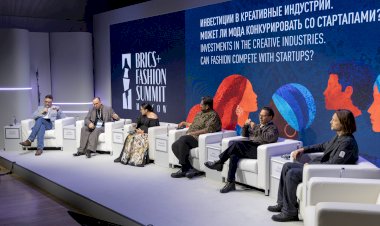
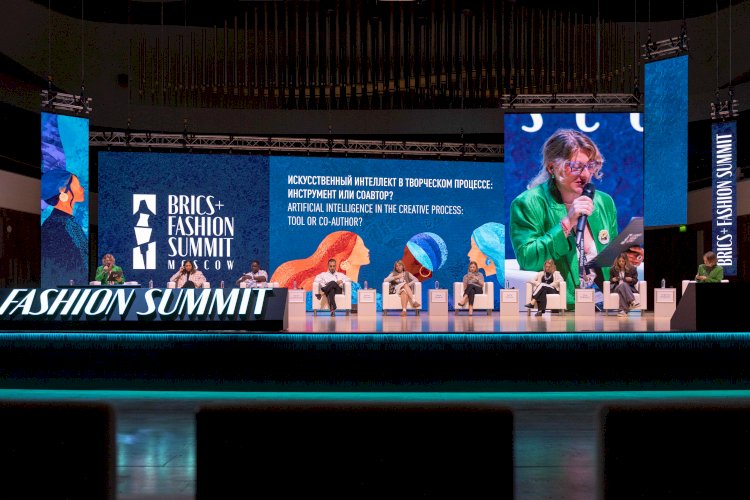
As the global fashion industry explores new markets, technologies and creative partnerships, the 2026 BRICS+ Fashion Summit in Moscow offered a platform for conversations that extend far beyond the runway. For Namibia, the gathering presented an opportunity to examine how international collaboration could help transform local creativity into sustainable businesses.
 Vaultz.connect
by Ramos
As the global fashion industry explores new markets, technologies and creative partnerships, the 2026 BRICS+ Fashion Summit in Moscow offered a platform for conversations that extend far beyond the runway. For Namibia, the gathering presented an opportunity to examine how international collaboration could help transform local creativity into sustainable businesses.
A Global Stage for Fashion and Business
Moscow became a meeting point for fashion industry leaders, designers, entrepreneurs and creative professionals during the 2026 BRICS+ Fashion Summit. Bringing together perspectives from different markets, the summit explored fashion as an economic force capable of driving investment, innovation, cultural exchange and international trade.
For Namibia, participation carried particular significance. As an invited guest and representative of the Namibian fashion industry, attending the summit provided an opportunity to engage with conversations shaping the future of fashion beyond established global capitals.
The discussions reinforced an important reality: fashion is no longer simply about clothing, trends or runway presentations. It is an interconnected industry encompassing manufacturing, technology, marketing, entrepreneurship and international commerce.
Beyond Visibility: The Value of Being Present
For emerging fashion markets such as Namibia, international platforms provide access to networks, knowledge and opportunities that may otherwise remain beyond reach.
Participation creates space to understand how other countries are developing their creative industries, supporting local designers and building commercially competitive fashion brands.
However, international exposure alone does not guarantee industry growth. The real value lies in identifying ideas that can be adapted to Namibia's economic environment.
Strategies that succeed in larger markets must be examined against local purchasing power, infrastructure, production capacity and consumer behaviour.
The challenge is therefore to move beyond inspiration and translate international knowledge into practical opportunities for Namibian designers and entrepreneurs.
Fashion Is an Industry, Not a Hobby
One of the summit's most relevant themes was the recognition of fashion as a serious economic sector.
Conversations around brand development, investment, manufacturing technology and consumer behaviour highlighted the complex business systems supporting successful fashion enterprises.
Behind every finished garment is a network of suppliers, manufacturers, marketers, distributors and consumers.
For designers, creativity remains essential, but sustainable growth also requires financial management, reliable production, competitive pricing and effective distribution.
This distinction is especially important in Namibia, where many emerging designers operate independently, often managing everything from design and production to marketing and sales.
Developing a stronger fashion economy requires recognising these businesses as contributors to employment, entrepreneurship and economic diversification.
The Namibian Perspective: Talent Meets Opportunity
Namibia possesses a distinctive creative identity shaped by its cultural heritage, craftsmanship and contemporary design talent.
Yet the country's relatively small consumer market presents challenges for designers seeking to expand production and achieve long-term profitability.
The BRICS+ Fashion Summit provided a broader perspective on how regional partnerships, designer exchanges, professional training and international market access could support emerging fashion industries.
For Namibian brands, collaboration with neighbouring African markets and international partners could create opportunities to reach new consumers, strengthen supply chains and exchange technical expertise.
However, successful expansion requires consistency in product quality, production capacity and pricing.
International recognition becomes commercially meaningful when designers can meet customer expectations and deliver reliably across different markets.
Turning Conversations into Commercial Opportunities
The true measure of an international gathering lies in what happens after delegates return home.
Introductions must become meaningful partnerships. Shared knowledge should inspire practical training, while discussions around investment and market access should translate into measurable business initiatives.
For Namibia, this could mean strengthening designer development programmes, facilitating regional collaborations or exploring collective approaches to manufacturing and distribution.
Even smaller initiatives can create meaningful progress when supported by clear objectives, responsible partners and consistent evaluation.
The Road Ahead
The 2026 BRICS+ Fashion Summit highlighted the growing importance of international cooperation in an industry where creativity increasingly intersects with commerce and technology.
For Namibia, the opportunity is to build on its creative strengths while addressing the structural challenges that limit industry growth.
Designers, educators, investors, policymakers and fashion organisations all have a role in creating an environment where creative businesses can compete and expand.
Ultimately, the significance of travelling from Namibia to Moscow extends beyond attending an international event. It lies in bringing home knowledge, relationships and ideas capable of strengthening the local fashion ecosystem.
The next chapter for Namibian fashion will be defined not simply by its presence on international platforms, but by its ability to turn that presence into lasting economic opportunity.