Beyond Fashion: Brand Expansion or Business Diversification?
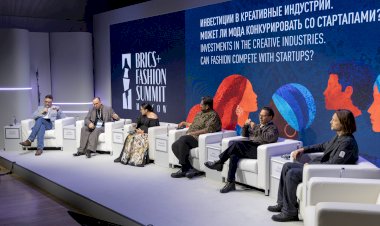
As fashion brands increasingly venture into beauty, hospitality, lifestyle and other creative industries, an important question emerges: are these extensions strategic marketing opportunities or genuine business diversification? At the 2026 BRICS+ Fashion Summit in Moscow, industry leaders explored how brands can expand beyond their traditional markets while maintaining their identity, commercial relevance and long-term profitability.
 Vaultz.connect
By Zario
As fashion brands increasingly venture into beauty, hospitality, lifestyle and other creative industries, an important question emerges: are these extensions strategic marketing opportunities or genuine business diversification? At the 2026 BRICS+ Fashion Summit in Moscow, industry leaders explored how brands can expand beyond their traditional markets while maintaining their identity, commercial relevance and long-term profitability.
When Fashion Becomes More Than Clothing
Fashion has evolved beyond garments and runway collections. Today, brands are building entire lifestyle ecosystems, extending their influence into cosmetics, fragrances, hospitality, interior design, technology and entertainment.
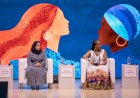
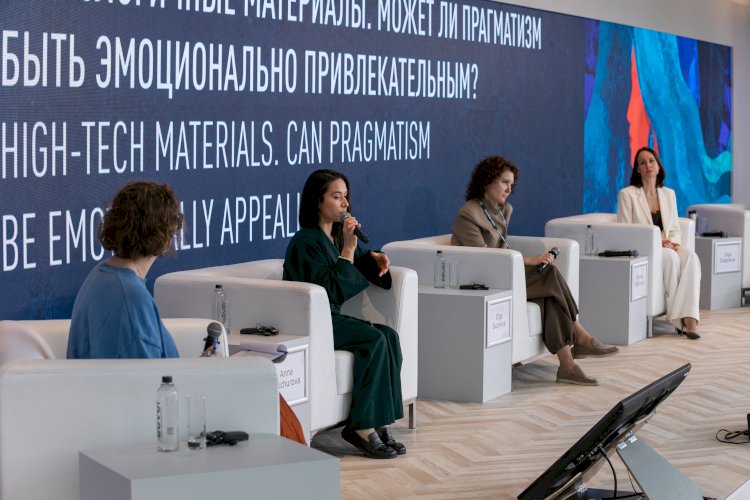
At the 2026 BRICS+ Fashion Summit in Moscow, the business programme explored this transformation through a panel discussion titled “Brand Expansion into Related Industries: A Marketing Move or Business Diversification?”
The conversation raised a fundamental question: when a fashion label introduces a new product or service, is it strengthening its existing brand or creating an entirely new business?
While both approaches offer opportunities, understanding the distinction is essential for sustainable growth.
The Power of Brand Identity
Successful brand expansion begins with a strong identity.
Consumers develop relationships with brands through their design philosophy, values, quality and overall experience. When a fashion house introduces a fragrance, cosmetics range or homeware collection, customers are more likely to embrace it if the new offering reflects the brand's established personality.
For instance, a luxury fashion label associated with craftsmanship and elegance may naturally extend into premium fragrances or interior accessories.
However, entering an unrelated industry without a clear connection to the brand can create confusion and weaken customer loyalty.
Brand expansion should therefore feel like a natural evolution rather than an attempt to capitalise on temporary popularity.
Marketing Opportunity or Commercial Strategy?
One of the most important distinctions is understanding whether expansion primarily increases brand visibility or creates an additional revenue stream.
A fashion brand opening a café may initially attract attention, generate social media engagement and introduce the label to new audiences.
However, operating a successful hospitality business requires expertise in staffing, food safety, inventory management, customer service and financial planning.
A strong marketing campaign may attract customers, but operational efficiency determines whether the business survives.
Genuine diversification demands a business model capable of generating sustainable revenue independently of the excitement surrounding its launch.
Partnerships as a Pathway to Growth
Expanding into another industry does not necessarily require a fashion brand to develop every product internally.
Strategic partnerships, licensing agreements and collaborations can provide access to manufacturing capabilities, technical expertise and established distribution networks.
For emerging brands, these arrangements offer an opportunity to explore new markets without carrying the full financial burden.
However, partnerships must be carefully managed. Product quality, brand consistency and customer expectations remain critical, regardless of who manufactures or delivers the final offering.
A poorly executed extension can undermine the reputation a fashion business has spent years building.
What This Means for Namibian Fashion Brands
For Namibia's growing fashion industry, diversification presents opportunities worth exploring.
Local designers possess distinctive creative identities influenced by cultural heritage, textiles, craftsmanship and contemporary African aesthetics.
These strengths could support expansion into accessories, home décor, corporate uniforms, beauty products, cultural experiences and creative consultancy services.
Yet Namibia's relatively small consumer market means expansion must be commercially disciplined.
Before entering a new category, brands should assess customer demand, production costs, available expertise and potential profitability.
Rather than immediately investing in large-scale operations, designers could introduce limited collections, test new concepts through collaborations or explore licensing arrangements with established businesses.
Such approaches allow brands to measure consumer interest while reducing financial exposure.
Building Businesses Beyond the Runway
The summit's discussions highlighted an important lesson for emerging creative economies: brand recognition and business sustainability are two different achievements.
Successful diversification requires research, investment, strategic partnerships and the ability to deliver consistent value.
For Namibian designers, the opportunity lies in developing brands that extend beyond seasonal collections and become commercially relevant across multiple industries.
However, expansion should never come at the expense of a healthy core business.
The most successful approach is one that strengthens the original brand while creating meaningful new income opportunities.
Ultimately, the question is not simply whether fashion brands should diversify, but whether they possess the strategy, resources and market understanding to turn creative ambition into lasting commercial success.