
From Creative Talent to Commercial Success
Africa's fashion industry is filled with creative talent, innovative designers and distinctive cultural identities. Yet transforming creativity into a profitable and sustainable business remains one of the industry's greatest challenges. At the 2026 BRICS+ Fashion Summit in Moscow, conversations around entrepreneurship, brand development and international markets highlighted an important reality: creative excellence alone is not enough to build a successful fashion enterprise.
 Vaultz.connect
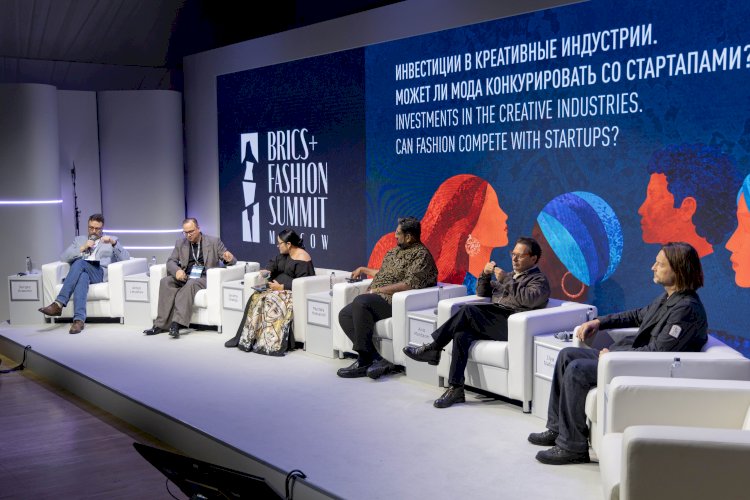
Africa's fashion industry is filled with creative talent, innovative designers and distinctive cultural identities. Yet transforming creativity into a profitable and sustainable business remains one of the industry's greatest challenges. At the 2026 BRICS+ Fashion Summit in Moscow, conversations around entrepreneurship, brand development and international markets highlighted an important reality: creative excellence alone is not enough to build a successful fashion enterprise.
Beyond the Runway: The Business of Fashion
Fashion is often associated with beautiful collections, runway presentations and artistic expression. However, behind every successful fashion brand lies a business that requires financial planning, operational efficiency and a clear understanding of its market.
For emerging designers, particularly in developing fashion economies such as Namibia, the transition from creative talent to commercial success can be challenging.
Many designers begin their journeys with exceptional technical skills and a passion for design, but limited experience in managing finances, production, marketing and customer relationships.
The BRICS+ Fashion Summit provided a platform for examining how creative industries can develop stronger commercial foundations while preserving their artistic identities.
Understanding the True Cost of Creativity
One of the most important aspects of building a sustainable fashion business is understanding pricing.
Designers frequently calculate selling prices based primarily on fabric costs and sewing time, overlooking expenses such as electricity, equipment maintenance, packaging, transportation, marketing and administrative operations.
This approach can result in businesses generating sales without achieving meaningful profitability.
Effective pricing must account for the full cost of production while allowing sufficient margins for reinvestment and growth.
For Namibian designers operating in a relatively small consumer market, balancing affordability with profitability is particularly important.
Underpricing may attract customers in the short term, but it can weaken business sustainability and undermine the perceived value of skilled craftsmanship.
Knowing Your Customer and Your Market
Successful fashion brands understand who their customers are and what influences their purchasing decisions.
A designer specialising in bridal wear operates within a different commercial environment from one producing everyday clothing, corporate uniforms or luxury collections.
Each market has specific expectations regarding pricing, quality, delivery and customer experience.
Understanding these differences helps designers develop relevant products, communicate effectively and establish stronger customer relationships.
For Namibian brands seeking regional or international expansion, market research becomes even more important.
Consumer preferences, purchasing power and retail expectations vary between countries, making it essential to adapt business strategies without compromising brand identity.
Building Systems That Support Growth
Creativity attracts attention, but professionalism builds trust.
Reliable production schedules, accurate order records, clear payment terms and consistent quality standards are fundamental to business success.
For smaller fashion enterprises, even basic administrative systems can significantly improve efficiency and reduce financial losses.
Managing customer deposits, monitoring inventory, tracking supplier expenses and communicating realistic delivery dates help businesses establish credibility.
These practices are especially important when designers begin working with retailers, corporate clients or international buyers who expect consistency and accountability.
Choosing the Right Business Model
Commercial success does not necessarily mean operating a large manufacturing facility or selling products internationally.
A profitable specialist design studio, custom-tailoring business or small ready-to-wear label can contribute meaningfully to the creative economy.
The key is selecting a business model that aligns with available resources, customer demand and long-term ambitions.
For some designers, growth may involve expanding production. For others, opportunities could emerge through licensing, partnerships, corporate supply contracts or digital retail.
Expansion should be guided by commercial performance rather than visibility alone.
Strengthening Namibia's Fashion Entrepreneurship
Namibia's fashion industry has demonstrated creativity through emerging designers, educational institutions and platforms such as MTC Windhoek Fashion Week.
However, strengthening the commercial side of the industry requires greater emphasis on entrepreneurship, financial literacy, production management and market access.
Collaboration between designers, business-development organisations, financial institutions and educators could help bridge the gap between creative training and enterprise development.
Practical mentorship, accessible business tools and opportunities to test products in real markets would further support emerging entrepreneurs.
Turning Talent into Sustainable Enterprise
The discussions surrounding the BRICS+ Fashion Summit reinforced the importance of viewing fashion through both creative and commercial perspectives.
For Namibia, the next phase of industry development should focus on helping designers build businesses capable of generating consistent revenue, supporting employment and attracting long-term customers.
Success should be measured through profitability, repeat business, production reliability and the ability to grow without compromising quality.
Creative talent may establish a fashion brand's identity, but business discipline determines its longevity. The future of Namibian fashion depends on developing designers who are equally confident as creative professionals and entrepreneurs.