Who Invests in Fashion? Closing the Creative Funding Gap
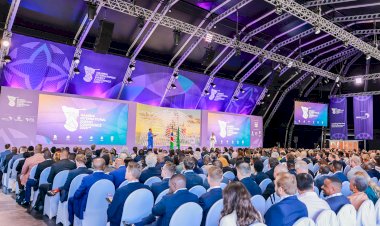
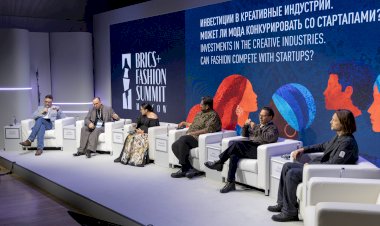
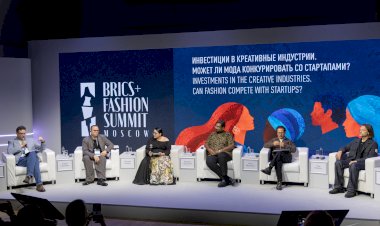
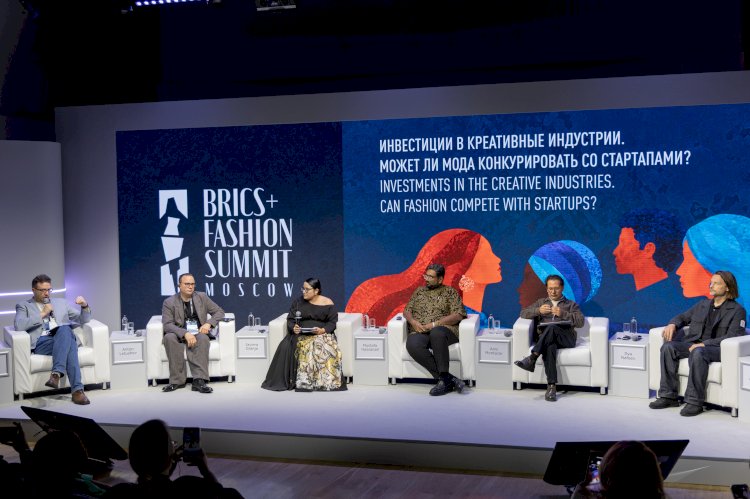
Fashion may be driven by creativity, but behind every successful label is something equally important: capital. From the ateliers of emerging designers to the global fashion houses shaping international trends, financial investment remains essential to building brands, producing collections and reaching new markets. Yet for many African designers, including those in Namibia, accessing funding remains one of the biggest obstacles to growth. As the 2026 BRICS+ Fashion Summit in Moscow brought together industry leaders to explore the future of fashion business, one question stood out: who is investing in the next generation of creative talent, and what will it take to turn Africa's fashion potential into commercial success?
 Vaultz.connect
By Ramos
Fashion may be driven by creativity, but behind every successful label is something equally important: capital. From the ateliers of emerging designers to the global fashion houses shaping international trends, financial investment remains essential to building brands, producing collections and reaching new markets. Yet for many African designers, including those in Namibia, accessing funding remains one of the biggest obstacles to growth. As the 2026 BRICS+ Fashion Summit in Moscow brought together industry leaders to explore the future of fashion business, one question stood out: who is investing in the next generation of creative talent, and what will it take to turn Africa's fashion potential into commercial success?
Behind Every Collection Is an Investment
A beautiful runway collection tells a story of creativity, craftsmanship and artistic vision. What audiences rarely see, however, is the financial investment required to bring that vision to life.
Before a single garment reaches the runway, designers must source fabrics, develop patterns, produce samples, pay skilled artisans and invest in marketing and presentation.
For established fashion houses, these expenses form part of structured business operations. For emerging designers, they can determine whether a collection becomes a commercial reality or remains an unfinished idea.
Fashion is an industry where financial investment often comes long before the first sale.
This creates a particular challenge for designers operating in developing markets, where access to affordable financing can be limited.
At the BRICS+ Fashion Summit, conversations around investment and business development offered a timely opportunity to examine how creative enterprises can attract the support needed to grow.
When Creativity Meets the Reality of Finance
One of the fashion industry's greatest contradictions is that creativity attracts attention, yet it does not always attract investment.
A designer may receive positive reviews, generate excitement on social media and showcase collections at prestigious fashion events, but still struggle to secure financing for the next production cycle.
Traditional lenders often assess businesses through established financial records, physical assets and collateral.
Fashion brands, however, build much of their value through intellectual property, craftsmanship, customer loyalty and brand identity.
These intangible assets can be difficult to translate into conventional lending requirements.
For Namibian designers, the challenge is amplified by a relatively small domestic consumer market, imported production materials and limited access to large-scale manufacturing facilities.
Without sufficient working capital, even promising brands can struggle to meet demand, expand production or pursue international opportunities.
What Makes a Fashion Brand Investment-Ready?
While creative identity is essential, investors are increasingly interested in what happens beyond the runway.
They want to understand the business behind the brand.
How much does it cost to produce a garment? Who is buying the collection? Are customers returning? Can production increase without compromising quality?
These are the questions that help distinguish a promising creative concept from a commercially viable enterprise.
For designers, investment readiness begins with understanding financial performance, including production costs, profit margins, inventory management and revenue projections.
A strong portfolio may attract attention, but a credible business strategy creates confidence.
Fashion entrepreneurs must therefore develop the ability to communicate their commercial ambitions as effectively as they communicate their creative vision.
Beyond Sponsorship: Exploring Different Ways to Finance Fashion
For many emerging designers, sponsorship remains one of the most familiar forms of financial support.
Brands and corporate partners may sponsor collections, runway presentations or designer-development programmes in exchange for visibility and marketing opportunities.
While these relationships are valuable, sponsorship alone cannot sustain a growing fashion business.
Different stages of business development require different financial solutions.
Grants can support emerging talent, experimentation and skills development. Business loans can provide capital for equipment and production, while purchase-order financing can help designers fulfil confirmed commercial contracts.
Equity investment offers another opportunity, particularly for brands with the potential to expand into new markets, although it may require founders to share ownership.
Strategic partnerships and licensing arrangements can also allow designers to enter new product categories without carrying the full financial burden.
The challenge is finding the right financial model for the right stage of growth.
Namibia's Fashion Industry: An Opportunity Waiting for Investment
Namibia's fashion landscape continues to produce designers whose work reflects cultural identity, contemporary aesthetics and growing entrepreneurial ambition.
Platforms such as MTC Windhoek Fashion Week have provided opportunities for designers to showcase their work, develop professional networks and gain exposure to potential customers.
However, converting this exposure into sustainable commercial growth requires greater access to capital and business-development support.
There is an opportunity for financial institutions, investors, retailers and enterprise-development organisations to explore funding models tailored to creative businesses.
Imagine a system where an emerging designer with a confirmed corporate uniform order could access production financing, or where an established label could secure investment to expand its manufacturing capacity.
These are practical opportunities that could support employment, local production and business growth.
Equally important is ensuring that designers receive training in financial management, pricing, procurement and commercial planning.
Investment becomes more effective when creative entrepreneurs possess the skills to manage it responsibly.
Fashion Investment Is Bigger Than the Designer
Investing in fashion extends far beyond supporting an individual label.
A growing fashion business creates opportunities for textile suppliers, pattern makers, tailors, photographers, models, stylists, manufacturers, retailers and logistics providers.
As businesses expand, their demand for professional services can stimulate activity across the wider creative economy.
This is why fashion deserves greater consideration within discussions about entrepreneurship, manufacturing and economic diversification.
For Africa, strengthening the financial foundations of fashion could help transform creative industries into more significant contributors to employment and regional trade.
The opportunity is particularly relevant as African brands explore international collaborations and alternative markets through platforms such as BRICS+.
The Future of Fashion Needs Investors Who Understand Creativity
The conversations surrounding the 2026 BRICS+ Fashion Summit highlighted the growing recognition of fashion as a serious commercial industry.
For Namibia and the wider African continent, the next step is developing stronger connections between creative talent and financial opportunity.
Designers must become more commercially prepared, while investors and financial institutions need to better understand the unique business models, production cycles and growth potential of fashion enterprises.
Fashion weeks can introduce talent to the world, but investment helps build the businesses that keep that talent working long after the runway lights have dimmed.
Africa's fashion industry has the creativity, identity and ambition to compete internationally. What it needs now is capital that recognises the value of that creativity and supports its transformation into sustainable businesses.
After all, the future of fashion will be shaped by those who create it, but also by those willing to invest in its potential.