Inside Moscow Fashion Week’s Pop-Up Shopping Experience
Fashion weeks are often celebrated for their spectacular runway shows, but the real business of fashion extends beyond the catwalk. At Moscow Fashion Week 2026, a vibrant pop-up shopping market brought together more than 100 diverse brands, creating a space where creativity met commerce and visitors could experience fashion beyond the runway.
 Vaultz.connect
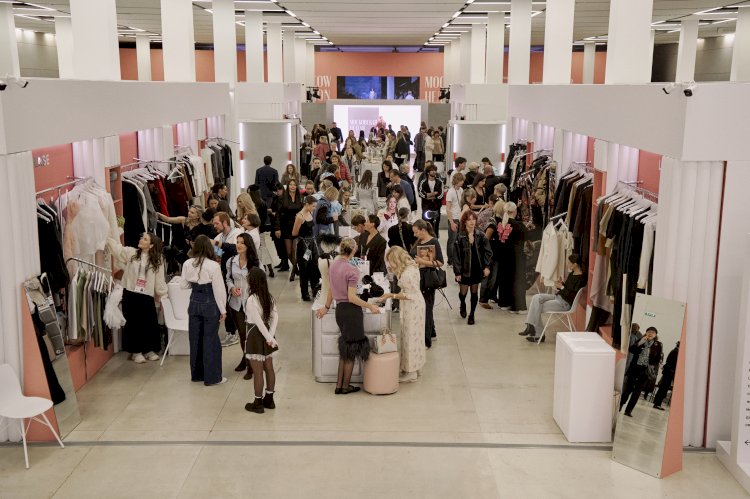
Fashion weeks are often celebrated for their spectacular runway shows, but the real business of fashion extends beyond the catwalk. At Moscow Fashion Week 2026, a vibrant pop-up shopping market brought together more than 100 diverse brands, creating a space where creativity met commerce and visitors could experience fashion beyond the runway.
Where Fashion Meets Commerce
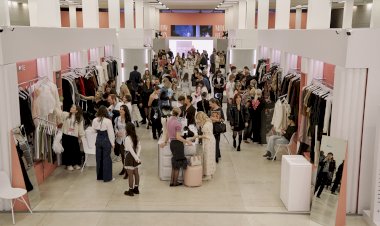
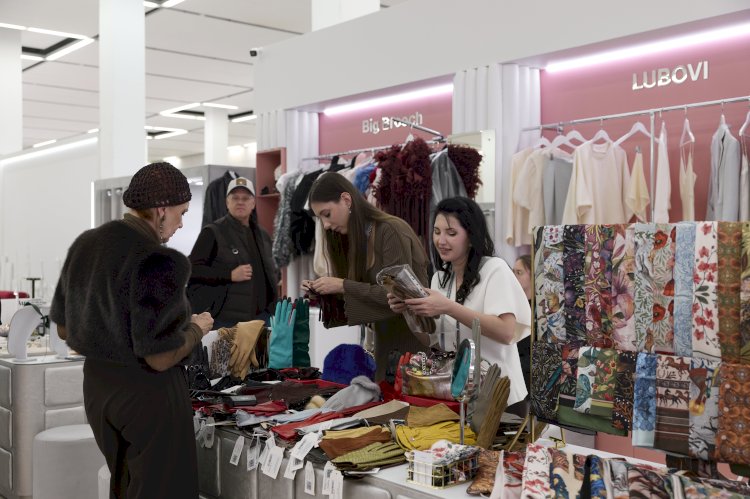
One of the most interesting features of Moscow Fashion Week was its dedicated pop-up shopping market, located one floor below the main runway venue at Manege.
While designers showcased their latest collections upstairs, a different fashion experience unfolded downstairs, where visitors could explore, discover and purchase products from a wide range of creative businesses.
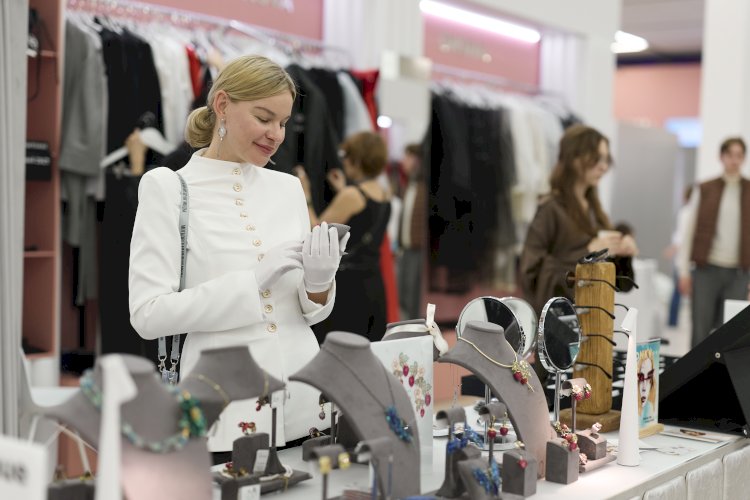
The market featured more than 100 brands, offering everything from clothing and fashion accessories to beauty products and lifestyle items.
What made the experience particularly appealing was its accessibility. A Moscow Fashion Week pass provided access to both the runway shows and the shopping market, allowing attendees to enjoy two complementary aspects of the fashion industry.
Between runway presentations, visitors could browse collections, try on garments, discover new brands and purchase items that caught their attention.
The atmosphere created a natural connection between fashion inspiration and consumer spending.
Turning Fashion Exposure into Sales
Fashion weeks provide designers with valuable visibility, but visibility does not always translate into immediate commercial opportunities.
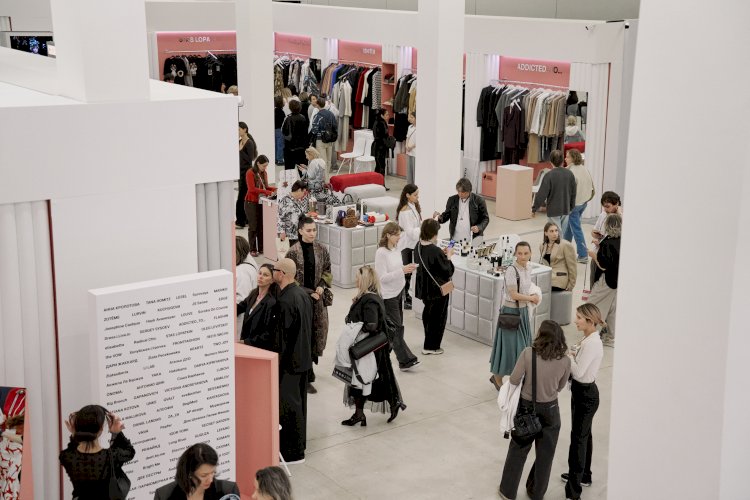
The pop-up market addressed this gap by bringing brands directly into contact with potential customers.
For exhibitors, the opportunity extended beyond selling products. It allowed them to introduce their businesses, engage with consumers, receive feedback and understand purchasing preferences.
Customers could examine products, assess quality, try on clothing and interact directly with the people behind the brands.
These encounters are particularly valuable for emerging businesses seeking to build customer confidence and loyalty.
The market also created opportunities for brands to connect with retailers, content creators and potential collaborators attending Moscow Fashion Week.
A More Engaging Experience for Attendees
For fashion enthusiasts, the pop-up market added another dimension to the event.
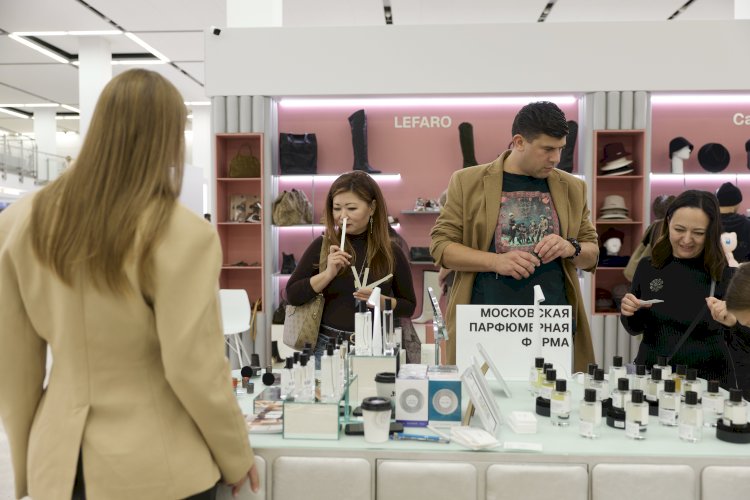
Rather than spending breaks simply waiting for the next runway presentation, attendees could explore an entire shopping environment filled with different creative offerings.
The diversity of brands meant there was something for different tastes, interests and budgets.
Beauty products, accessories, contemporary clothing and distinctive fashion pieces transformed the space into an interactive retail experience.
It also gave visitors an opportunity to support creative entrepreneurs through direct purchases.
This connection between designers and consumers is essential in developing a commercially sustainable fashion ecosystem.
Lessons for Namibia’s Creative Industry
Moscow Fashion Week demonstrated the value of integrating retail opportunities into major fashion events.
For platforms such as MTC Windhoek Fashion Week, pop-up markets offer a practical way to extend participation beyond runway designers.
They create opportunities for fashion entrepreneurs, beauty businesses, accessory designers and other creative enterprises to benefit from the event's audience.
Importantly, they encourage spending within the creative economy while helping smaller businesses reach new customers.
A well-organised pop-up market can also provide valuable insight into consumer demand and purchasing behaviour.
Fashion as a Business Platform
The Moscow experience reinforced an important message: fashion weeks should create opportunities for creative businesses to generate income, build networks and develop sustainable customer relationships.
Runway presentations generate excitement, while retail spaces allow consumers to participate directly in the industry.
By placing shopping alongside the runway, Moscow Fashion Week demonstrated how fashion events can connect creativity with commercial opportunity, ensuring that the business of fashion remains central to the experience.